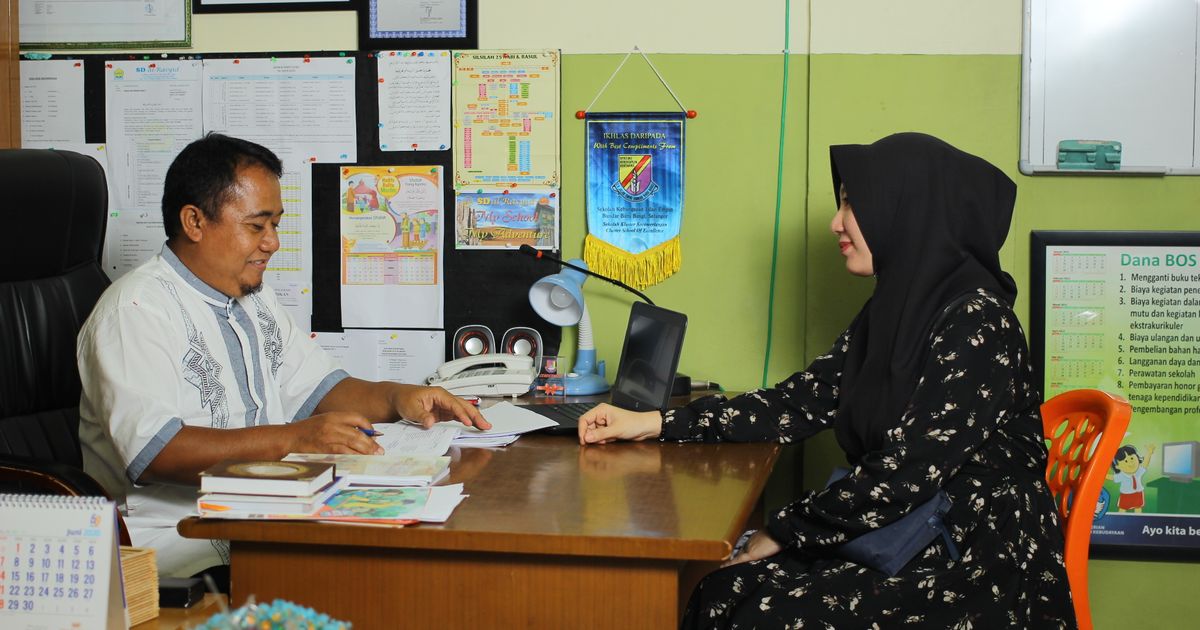
I’ve sat on both sides of the IEP table. As the professional taking notes at the head of the conference room, and — more recently — as someone helping parents get ready for meetings where I’m not the one in the room. The difference in how those two experiences feel is enormous, and almost none of it is about the actual content of the meeting.
It’s about who walks in with a plan and who doesn’t.
Most of the IEP checklists floating around the internet were written by people who have never sat in one of these meetings. They tell you to “bring questions” and “stay calm” like that’s useful information. It isn’t. What actually helps is knowing, specifically, what’s about to happen in that room, in what order, and what you’re allowed to say at each point.

What an IEP Meeting Actually Looks Like From the Inside
Here’s what most parents don’t know going in: the team has usually already discussed the plan before you sit down. Not maliciously — teachers and related service providers talk to each other in the hallway, in email threads you’re not on, in five minutes before the meeting starts. By the time you’re in the room, there’s often already a proposed draft.
That’s not a conspiracy. It’s just how schools run on limited time. But it means the meeting is not the moment where the plan gets built from scratch — it’s the moment where you either shape it or you don’t. If you walk in without specific asks, the draft becomes the plan by default.
A checklist that just says “ask questions” doesn’t prepare you for that. You need to know which questions move the needle.
What to Bring
Skip the loose stack of papers. Bring three things, organized:
A one-page summary of your child’s current struggles, in your own words, with dates. Not their whole life story — just what’s happening now, at school and at home, that the team needs to hear from you specifically, because they only see the school half.
Any outside evaluations, therapy notes, or doctor letters from the last 12 months. If something’s older than that, bring it but flag it as background, not current data.
A written list of your questions and asks, in priority order. Not because you’ll read off the list like a script, but because when the meeting runs long and people start wrapping up, you’ll know exactly what you haven’t gotten to yet.
What to Ask (That Most Parents Don’t)
Everyone asks “how is my child doing.” Fewer parents ask “what does the data actually show, and can I see it.” Progress reports built on vague language — “making progress,” “doing well in class” — are not the same as data. You’re entitled to ask for the actual numbers behind a goal: how many trials, how many sessions, what the trend line looks like.
Ask what happens if a goal isn’t met by the next review. Not to be combative — to know the plan for the plan not working, because right now, most IEPs don’t have one.
Ask who is actually delivering each service, how often, and for how long per session. “30 minutes of speech per week” sounds specific until you find out it’s split across two 15-minute pull-outs during recess.
Writing Things Down During the Meeting
You will not remember it all afterward. Nobody does — there’s too much acronym-heavy language moving too fast. Take notes in the meeting itself, and specifically note anything anyone commits to verbally that isn’t already written into the draft. Verbal commitments that don’t make it into the IEP document tend to quietly disappear by the next meeting.
After the Meeting
The work isn’t done when you leave the room. Request the finalized IEP in writing within the timeframe your state requires (this varies, but it’s often within a set number of days after the meeting). Read it against your notes. If something discussed in the room didn’t make it into the document, that’s a follow-up email, not a shrug.
What This Looks Like in Practice
A parent I worked with — I’ll call her Maria, though that’s not her real name — came into her son’s third-grade review with nothing but a vague sense that “reading still isn’t clicking.” She’d been to two meetings before that one and left both feeling talked past. This time, she brought three things: a one-page summary noting that her son could decode words fine but couldn’t answer comprehension questions about what he’d just read, a request to see the actual data behind his reading goal instead of the summary language, and a specific ask — that his goal be rewritten to target comprehension specifically, not just fluency.
The team pulled the data. It showed exactly what Maria suspected: strong fluency scores, comprehension scores that hadn’t moved in two quarters. Without her specific ask, that gap might have gone unaddressed for another full review cycle, because “reading” as a broad category looked like it was on track. The fix wasn’t dramatic — a revised goal and a small shift in instructional focus — but it only happened because she walked in with a specific, data-backed ask instead of a general concern.
That’s the difference this kind of preparation actually makes. Not confrontation. Precision.
Building the Habit for Every Meeting After This One
The first time you prepare this way, it’ll feel like extra work layered onto an already stressful process. By the third or fourth meeting, it stops feeling like extra work and starts feeling like the only way you’d consider walking in. That shift matters, because IEP meetings aren’t a single event you get through once — they’re a recurring relationship that runs for years, and the habits you build in year one are the habits you’ll be running on by year five, whether they’re good ones or not.
Start small if the full process feels like too much right now. Even just the one-page summary and a short, prioritized question list will put you ahead of where most parents walk in. Add the data requests and the written follow-up habit once the basics feel automatic. You don’t need to do all of this perfectly on the first try — you need to do more of it than you did last time, consistently, meeting after meeting, until it’s simply how you show up.
Common Questions Parents Ask Before an IEP Meeting
How early should I ask for the draft IEP before the meeting? Request it at least a few days ahead if your school allows it. Not every district will send it early, but asking costs nothing and some will.
Can I record the IEP meeting? Laws vary by state, and some require all parties to consent to a recording. Check your state’s specific rules before you show up planning to record — and if you do plan to, tell the team ahead of time rather than surprising them.
What if I run out of time to ask everything on my list? Say so, out loud, before the meeting closes: “I have two more items I didn’t get to.” That statement alone puts it on record that the conversation isn’t finished, which matters if there’s ever a dispute later.
I built a free, printable version of this exact process — the IEP Meeting Prep Starter Checklist — because I got tired of watching parents walk into these meetings with nothing but a notebook and a knot in their stomach. It’s free, it takes two minutes to fill out, and it’s the same framework I used sitting on the other side of that table. Grab it, print it, and bring it to your next meeting.